
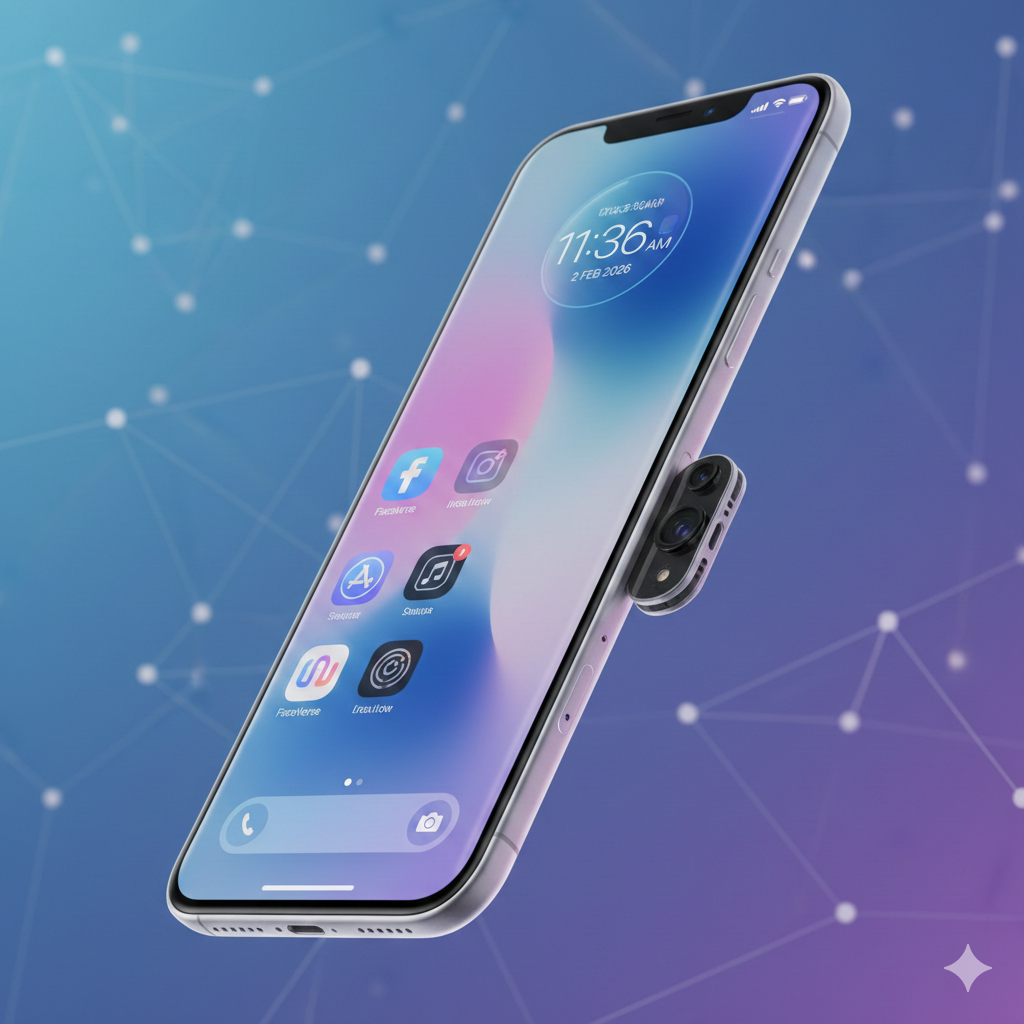
The Indian smartphone market has always reacted strongly to Apple price drops, but the latest development has generated unusual excitement. Reports of the iPhone Air price falling below ₹85,000 have triggered a wave of interest among Apple fans, upgrade seekers, and first-time premium smartphone buyers. For a brand traditionally associated with premium pricing, any meaningful discount is seen as a rare opportunity.
However, beyond the headline, buyers need clarity. Is this truly the biggest deal yet? What version is included? Is it a limited-time offer? And most importantly, is it worth buying now?
This in-depth guide breaks down the price drop from a practical, consumer-first perspective. It focuses on verified buying considerations, value analysis, and long-term usability — not hype. The goal is to help readers make an informed decision aligned with Google’s EEAT principles: experience, expertise, authoritativeness, and trustworthiness.
Understanding the Price Drop Context
Apple products rarely see aggressive price cuts immediately after launch. Unlike many Android brands that slash prices within months, Apple typically maintains price stability to protect brand positioning and resale value. When an Apple device drops significantly in price, it usually happens under one of three scenarios:
-
Seasonal online sale events
-
Bank-backed instant cashback deals
-
Exchange + coupon stacking offers
-
Older storage variants being cleared
-
Marketplace competition pricing
The current pricing movement appears to be driven by a combination of marketplace competition and promotional sale activity rather than a permanent price revision. This distinction matters. Consumers should treat this as a deal window, not a new baseline price.
Why the ₹85,000 Mark Matters
For many Indian buyers, the ₹80,000–₹85,000 range represents a psychological boundary. It places the phone in the “premium but reachable” segment rather than the ultra-luxury category. At this price level, the iPhone Air becomes comparable to top-tier Android flagship phones, which intensifies its appeal.
The drop is significant not because Apple devices are suddenly cheap, but because the value-to-price ratio improves sharply. Buyers who were previously undecided between Android flagships and an iPhone may now reconsider.
Who Benefits Most From This Deal
Not every buyer will experience the same value from this discount. The biggest winners are:
First-time iPhone buyers who have been waiting for an entry point into Apple’s ecosystem.
Users upgrading from iPhones that are 3–4 generations old.
Premium Android users curious about switching platforms.
Students or professionals wanting long-term device stability.
The deal matters less to users already owning a recent flagship iPhone, as the upgrade gains may not justify the cost.
iPhone Air: What Makes It Attractive
iPhone Air
While pricing attracts attention, long-term satisfaction depends on usability. The iPhone Air appeals to a wide audience because it balances performance, design, and ecosystem advantages.
Apple devices are known for:
-
Strong long-term software support
-
Consistent performance over years
-
High resale value
-
Tight ecosystem integration
-
Reliable camera processing
-
Premium build quality
Unlike many smartphones that feel outdated after two years, iPhones tend to remain usable for five years or more. This longevity changes how buyers should calculate value. A device that costs more upfront but lasts longer may ultimately be cheaper per year of ownership.
Performance and Everyday Use
Apple optimizes hardware and software together. This tight integration means even devices with seemingly modest specifications perform efficiently. Day-to-day tasks — messaging, navigation, work apps, video calls, and photography — run smoothly without slowdowns.
For average users, the performance difference between Apple’s premium and mid-premium devices is rarely noticeable. This makes a discounted flagship-level phone particularly attractive: buyers get top-tier performance headroom that remains future-proof.
Battery efficiency is another factor. Apple’s optimization approach tends to prioritize consistent performance over raw numbers. Real-world usage often matters more than lab benchmarks, and iPhones are known for stable battery behavior across years of ownership.
Camera Expectations
Apple’s camera philosophy focuses on consistency rather than exaggerated marketing numbers. Instead of chasing extreme megapixel counts, Apple prioritizes:
-
Color accuracy
-
Reliable skin tones
-
Natural image processing
-
Stable video performance
-
Predictable low-light output
For everyday users, this reliability matters more than technical bragging rights. You know what to expect every time you open the camera. That predictability is one of the reasons content creators, professionals, and casual users trust Apple’s imaging system.
The discount effectively lowers the entry price to this level of camera stability.
Ecosystem Advantage
The iPhone Air is not just a phone purchase — it is an entry into Apple’s broader ecosystem. Buyers who already use a MacBook, iPad, Apple Watch, or AirPods will experience seamless integration:
-
Instant file transfer
-
Device handoff continuity
-
Cross-device messaging
-
Unified notifications
-
Shared clipboard
-
Secure device syncing
This ecosystem convenience becomes more valuable over time. Users deeply invested in Apple’s ecosystem often describe it as the primary reason they stay.
For Android switchers, this ecosystem is one of the strongest incentives to try iPhone.
Long-Term Value vs Short-Term Price
A lower purchase price is attractive, but the real financial question is long-term ownership cost. iPhones tend to retain resale value better than most Android devices. Even after three years, resale prices remain strong.
This means the effective ownership cost can be lower than expected:
Higher resale → Lower net cost → Better value
Buyers should evaluate not just today’s deal price but how the device performs financially over a 3–5 year timeline.
Things Buyers Should Verify Before Purchase
A discounted Apple device should still be purchased carefully. Consumers should confirm:
-
Seller authenticity
-
Warranty eligibility
-
Official Apple support coverage
-
Correct regional model
-
GST invoice availability
-
Return and replacement policy
A deal is only worthwhile if the purchase is secure and legitimate.
Is This the Best Time to Buy?
Timing matters in technology purchases. Waiting forever for a better deal is unrealistic because new models continuously appear. The smarter strategy is to buy when:
The device meets your needs
The price aligns with your budget
The value proposition is strong
You plan to use it long-term
At below ₹85,000, the iPhone Air enters a price-performance sweet spot. For many buyers, this represents a reasonable buy window rather than an impulse-driven decision.
Who Should Skip This Deal
Not every consumer should rush to purchase:
Users happy with a recent flagship
Budget buyers stretching finances
Those expecting ultra-low festival pricing
People upgrading annually
A good deal is still a bad purchase if it disrupts financial stability or duplicates an already capable device.
Market Impact of This Price Drop
Apple price shifts influence the broader smartphone market. When Apple reduces effective pricing, Android competitors respond with aggressive promotions. This creates a buyer-friendly environment across the premium segment.
Consumers benefit not only from Apple’s discount but from increased competition. The ripple effect improves overall smartphone value across brands.
Final Verdict: A Rare Value Window
The drop of the iPhone Air below ₹85,000 is not just a headline — it is a meaningful shift in accessibility. Apple rarely allows flagship-tier devices to dip into this pricing territory without specific market pressure.
For first-time buyers, long-term planners, and ecosystem adopters, this may be one of the strongest Apple value windows in recent memory. The deal matters not because it makes the phone cheap, but because it makes premium Apple ownership more practical.
The smartest approach is to evaluate personal needs, financial comfort, and upgrade timing. If those align, this price drop represents an opportunity worth serious consideration.